14 Important Things You Should Know Before Moving to Montenegro (2026 Updated Guide)
Montenegro has become one of Europe's most attractive destinations in recent years for investors, remote workers, and people looking to build a new life. Thanks to its use of the Euro (€), low tax rates, and opportunities offered to foreign investors, thousands of people choose to move to Montenegro every year.
However, before making the decision to relocate, there are many important details you should know. Here are the 14 most important things you should know before moving to Montenegro in 2026.
1. How Can You Obtain a Residence Permit?
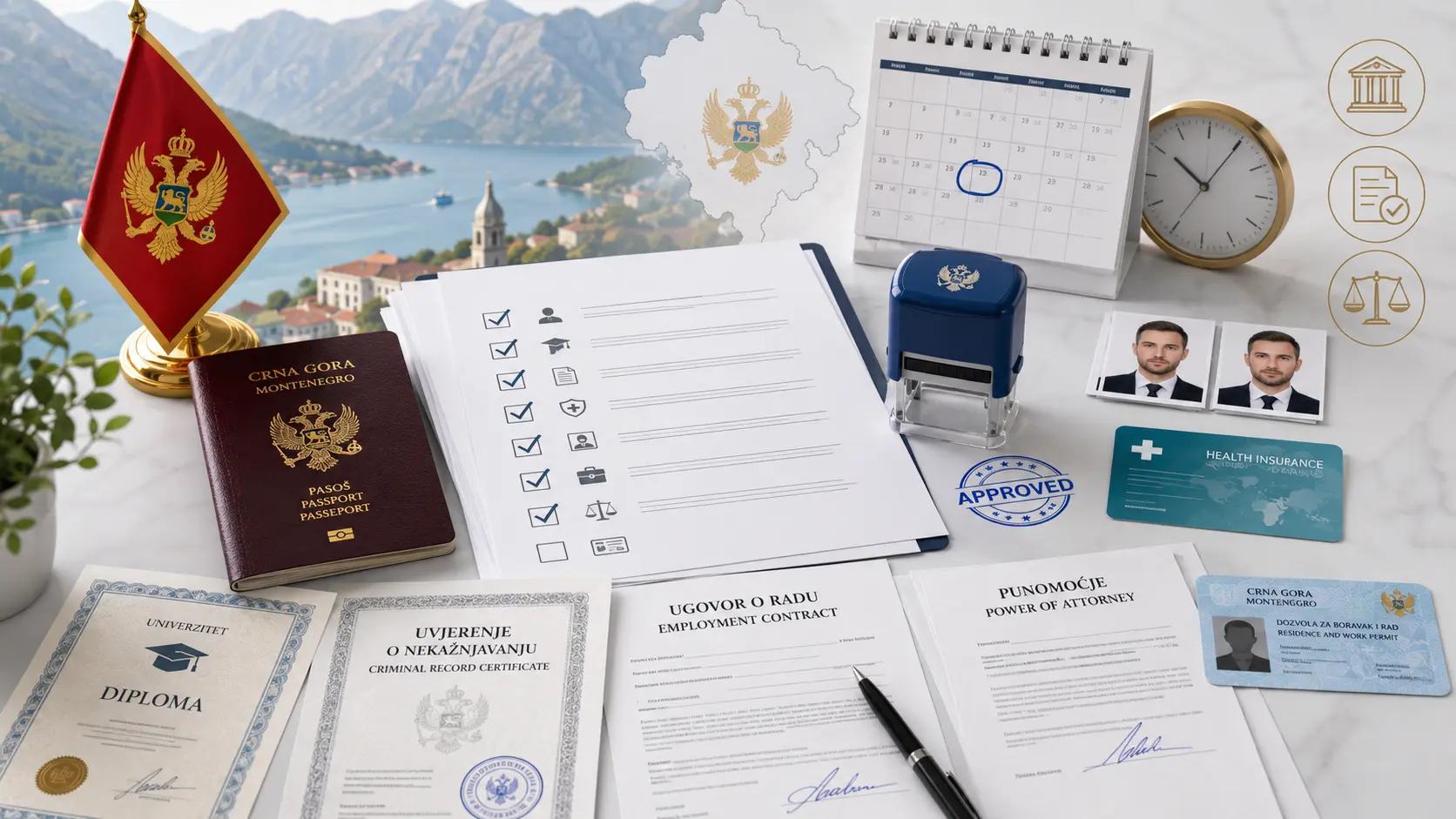
Foreign nationals who wish to stay in Montenegro for an extended period must obtain a temporary residence permit (Privremeni Boravak).
The most common methods are:
By establishing a company
Through a work permit
Family reunification
Education
Property ownership (under applicable conditions)
Preparing all required documents completely is essential for ensuring a smooth application process.
2. Is Establishing a Company Mandatory?
No.
However, if you want to run your own business and obtain a residence permit, you will need to establish a company.
The most commonly preferred company type in Montenegro is a DOO (Limited Liability Company).
3. How Much Is Rent?
Rental prices vary depending on the city.
Approximate averages:
Podgorica: €400–800
Budva: €600–1,200
Bar: €400–700
Tivat: €700+
During the summer season, rental prices in coastal cities can increase significantly.
4. What Is the Cost of Living?
The average monthly living expenses for one person, including:
Rent
Groceries
Internet
Transportation
Social life
range from approximately €700 to €1,200.
This amount may be higher for families.
5. What Is the Healthcare System Like?
Montenegro offers both public and private healthcare services.
Many foreign residents prefer private hospitals.
Private healthcare services are quite affordable compared to the European average.
6. Is It Easy to Open a Bank Account?
Yes, but in recent years banks have become more strict regarding documentation.
They may request company documents, residence status, proof of income, and other supporting information.
Missing documents may extend the application process.
7. What Are the Taxes Like?
Montenegro is one of the European countries with relatively low tax rates.
The main taxes include:
Income tax
Corporate tax
VAT
Social security contributions
Proper tax planning helps prevent potential issues in the future.
8. Schools for Families with Children
Montenegro has both public and private schools.
Some private schools provide education in English.
There are various options available for families seeking international education.
9. Is Buying a Car Worth It?
A car provides significant convenience, especially for those living outside Podgorica.
Public transportation is more limited compared to larger cities.
The used car market is quite active.
10. Mobile and Internet Services
Montenegro's mobile operators provide extensive network coverage.
Home internet is available with fiber infrastructure in many areas.
Mobile packages are considered affordable by European standards.
11. Grocery Shopping and Daily Living Expenses
Grocery prices vary depending on the product category.
Locally produced goods are generally more affordable.
12. Which City Should You Live In?
Each city offers different advantages.
Podgorica
Business center
Close to government institutions
A city that remains active throughout all four seasons
Budva
Tourism
Sea
Vibrant social life
Bar
A quieter lifestyle
Port city
More affordable rental options
Tivat
Luxury marina
International lifestyle
High standard of living
13. Entry Rules for Turkish Citizens
According to the current regulations, Turkish citizens can enter Montenegro visa-free for up to 30 days.
Those planning to stay longer should arrange their residence permit process in advance.
As application requirements may change over time, it is important to follow the latest regulations.
14. Why Is Professional Consultancy Important?
In Montenegro, company formation, residence permits, work permits, opening bank accounts, and official procedures require coordination with multiple institutions.
Incomplete or incorrect applications may result in both delays and additional costs.
For this reason, working with an experienced consultancy firm from the very beginning helps ensure that the entire process is completed more quickly and securely.